Medieval Bestiary Flash

This was inspired by a sixteenth century manuscript of flora and fauna found in the Helmingham village of Suffolk, England. Originating from a time when it was rare for the common folk to be exposed to exotic animals, these simplified yet outlandish depictions hold such a quirky charm.

Medieval Bestiary Flash Sheet | AZ Kubicki
Procreate - Digital. 2024.

Including this for fun – before the days of modern medicine, plant and animal products were used to trait ailments. Here are some of the previous medicinal uses these were each associated with.

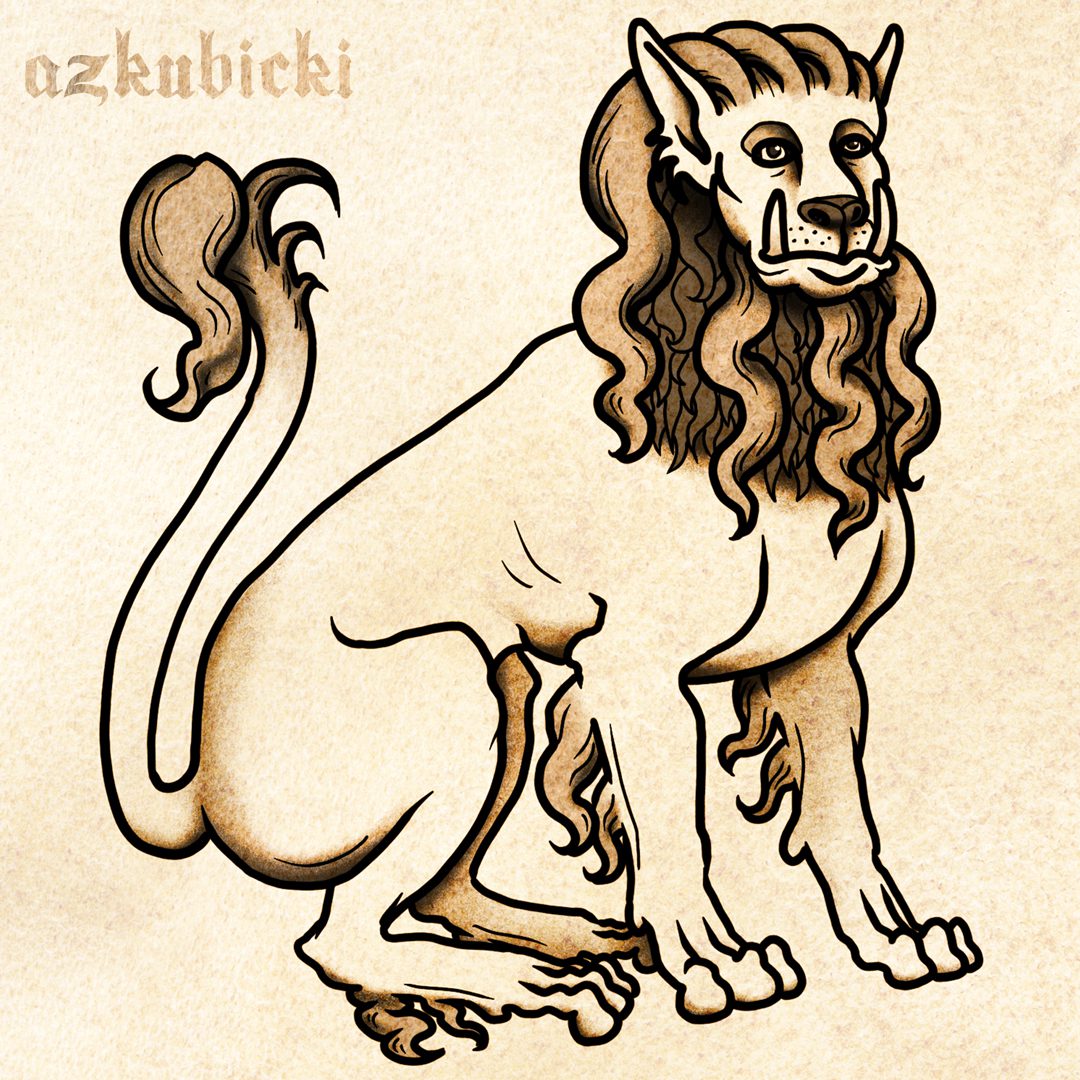
Leon

The lion! Long regarded as the ruler of beasts, and adopted into familiar heraldic use on family crests in the Middle Ages. Newborn cubs were said to be malleable, and licked into their final shape by their mothers. They drew their first breath through their father's roar.

Columbyn

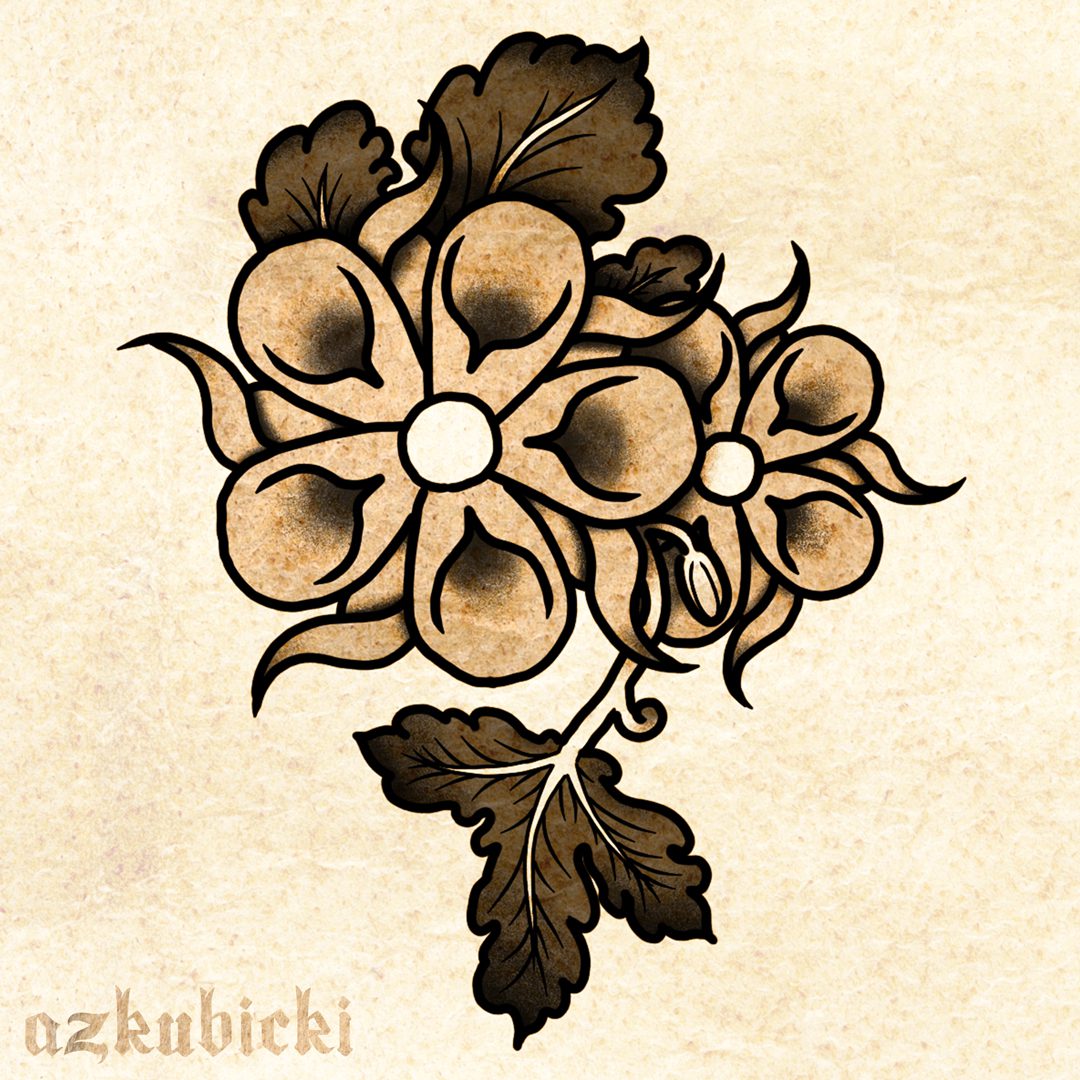
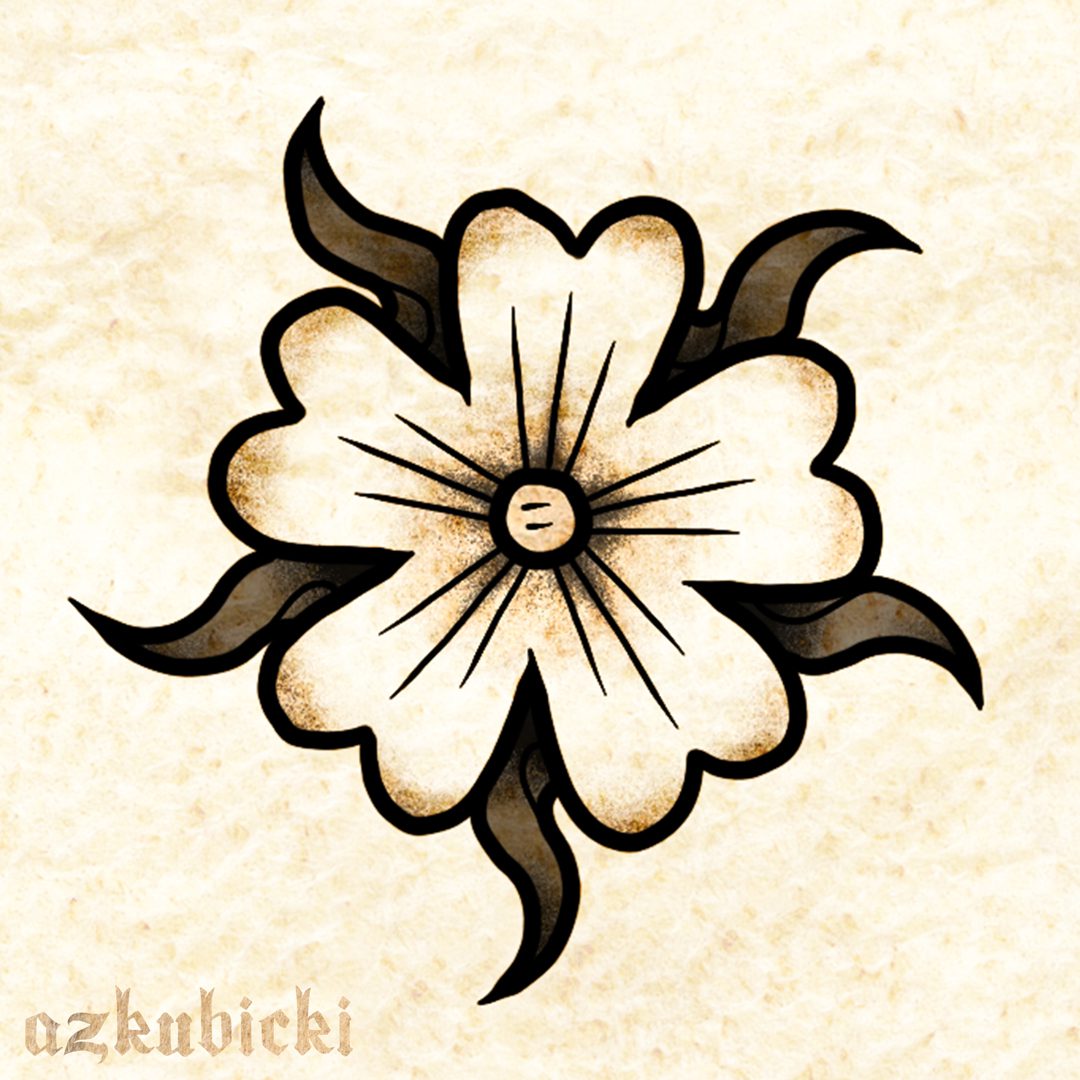
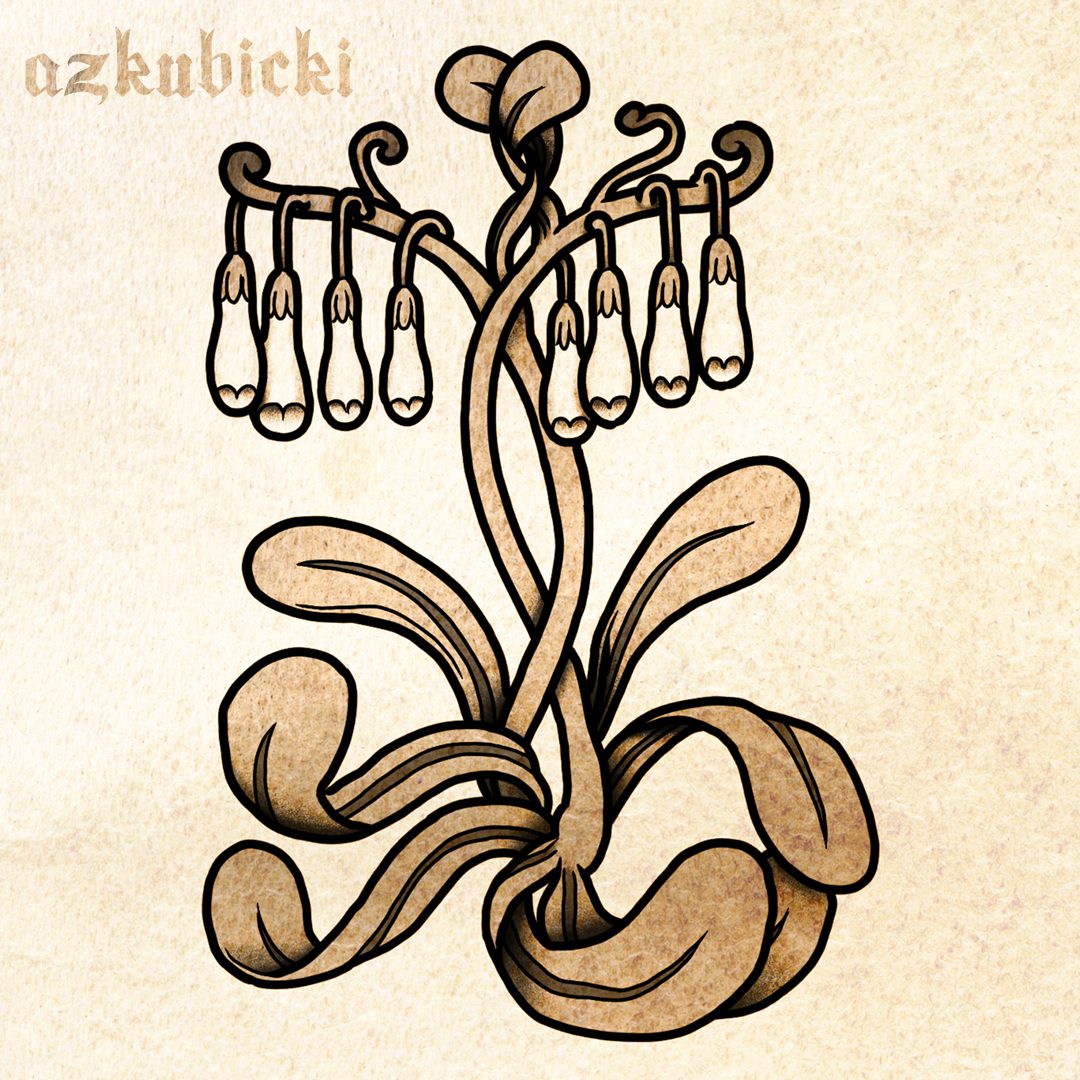
The backs of Columbine flowers were said to resemble doves, which is the origin of its Latin name "columba." Despite its toxic nature, it was thought to be a cure for fevers.

Lesard

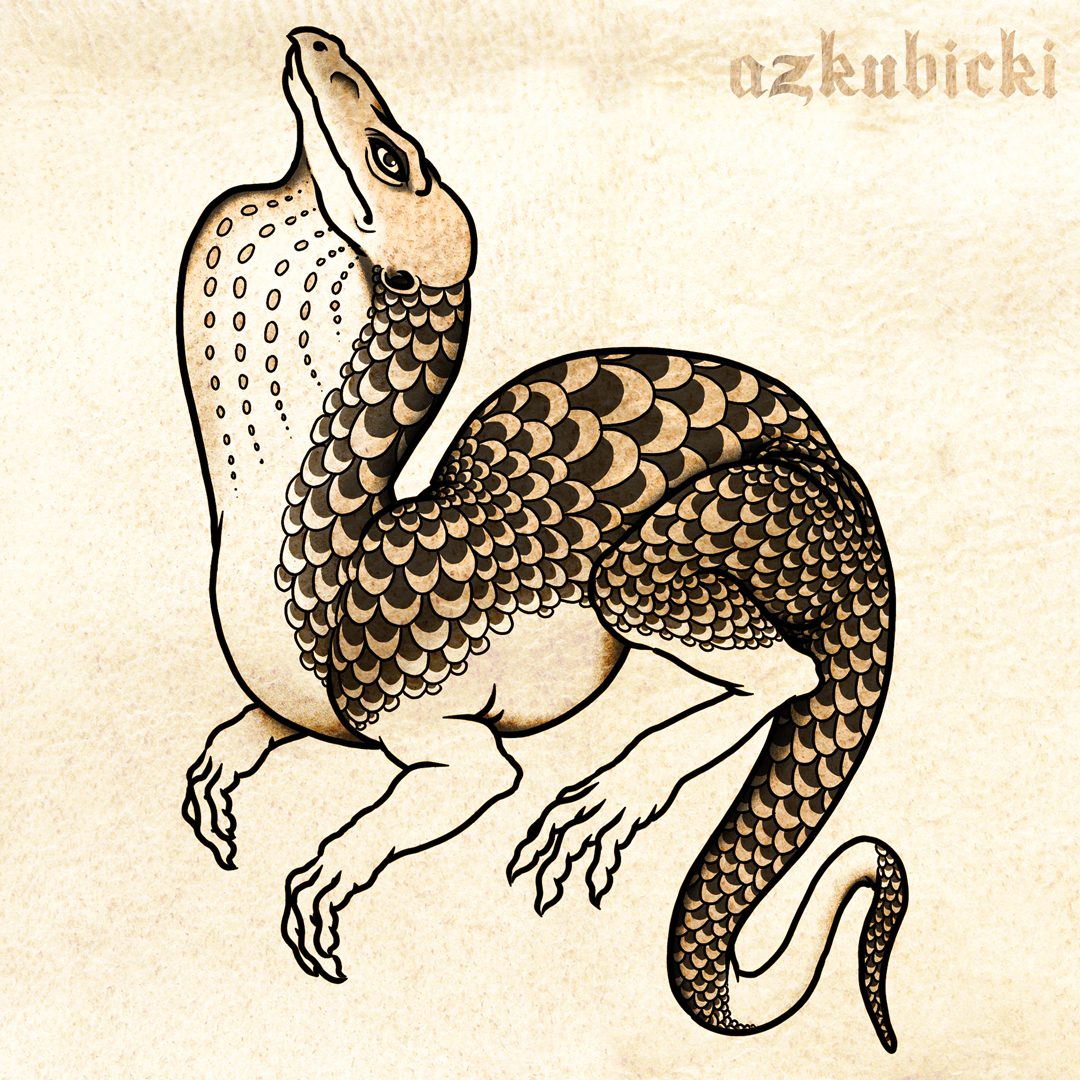
It was a common assumption in the Middle Ages that lizards forgot where they laid their eggs, which is why they do not incubate them like fowl. Another fun and definitely super accurate belief was that lizards grew blind as the aged, and by facing the sun they could have their eye sight temporarily restored by its light.
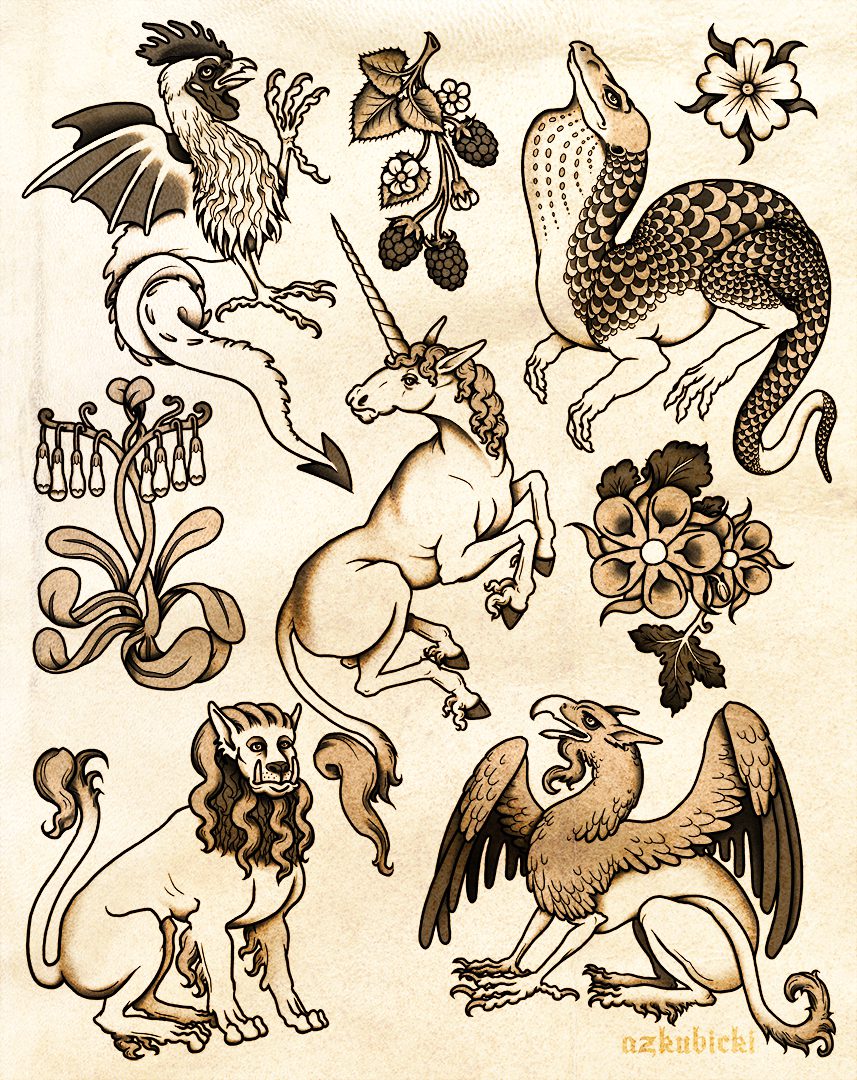
Blackberry

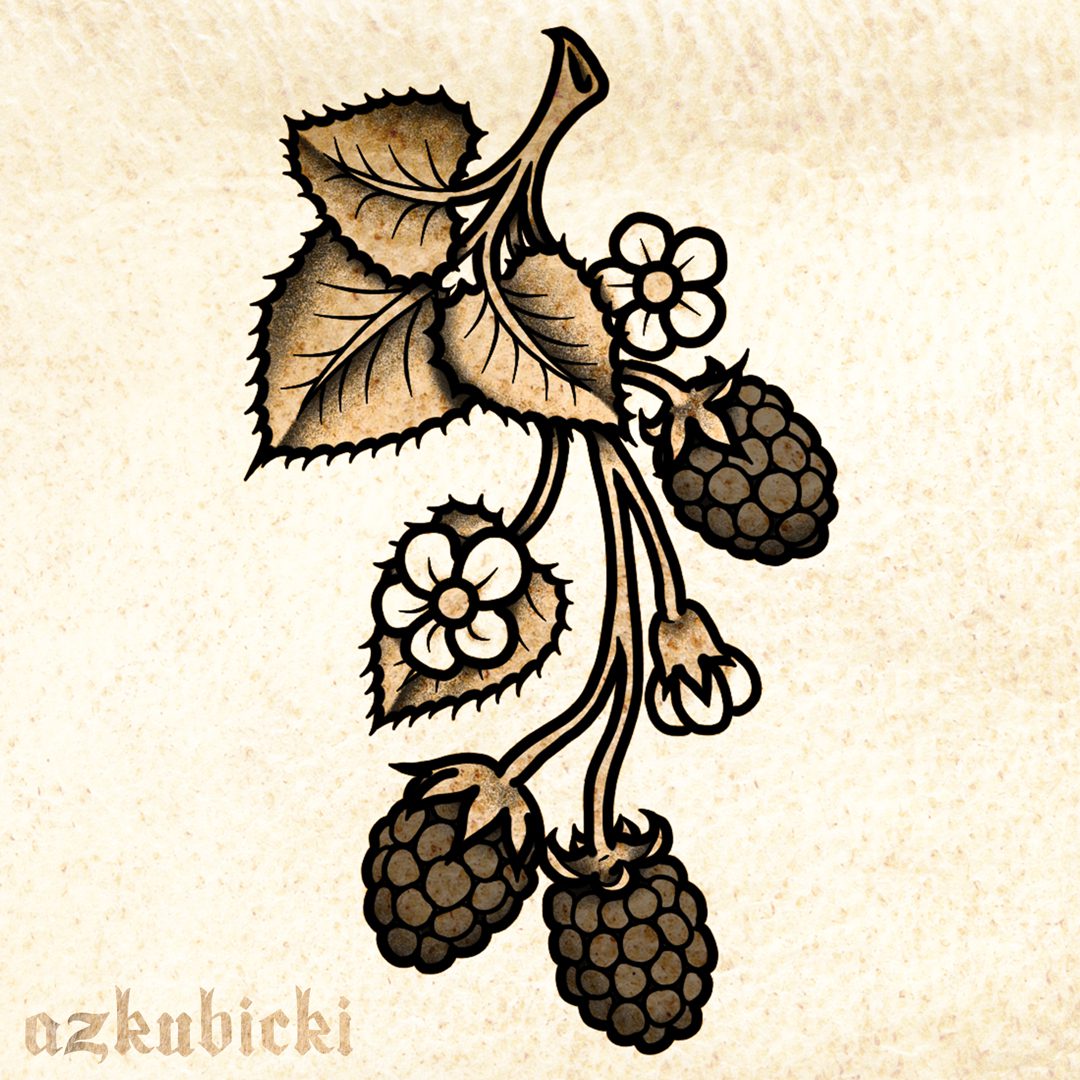
Pigment from blackberries was used for illuminated manuscripts in the Middle Ages. It was also believed in the 16th century that eating them caused bad moods. I've always found them a little too sour, so I don't disagree?

Koketrice

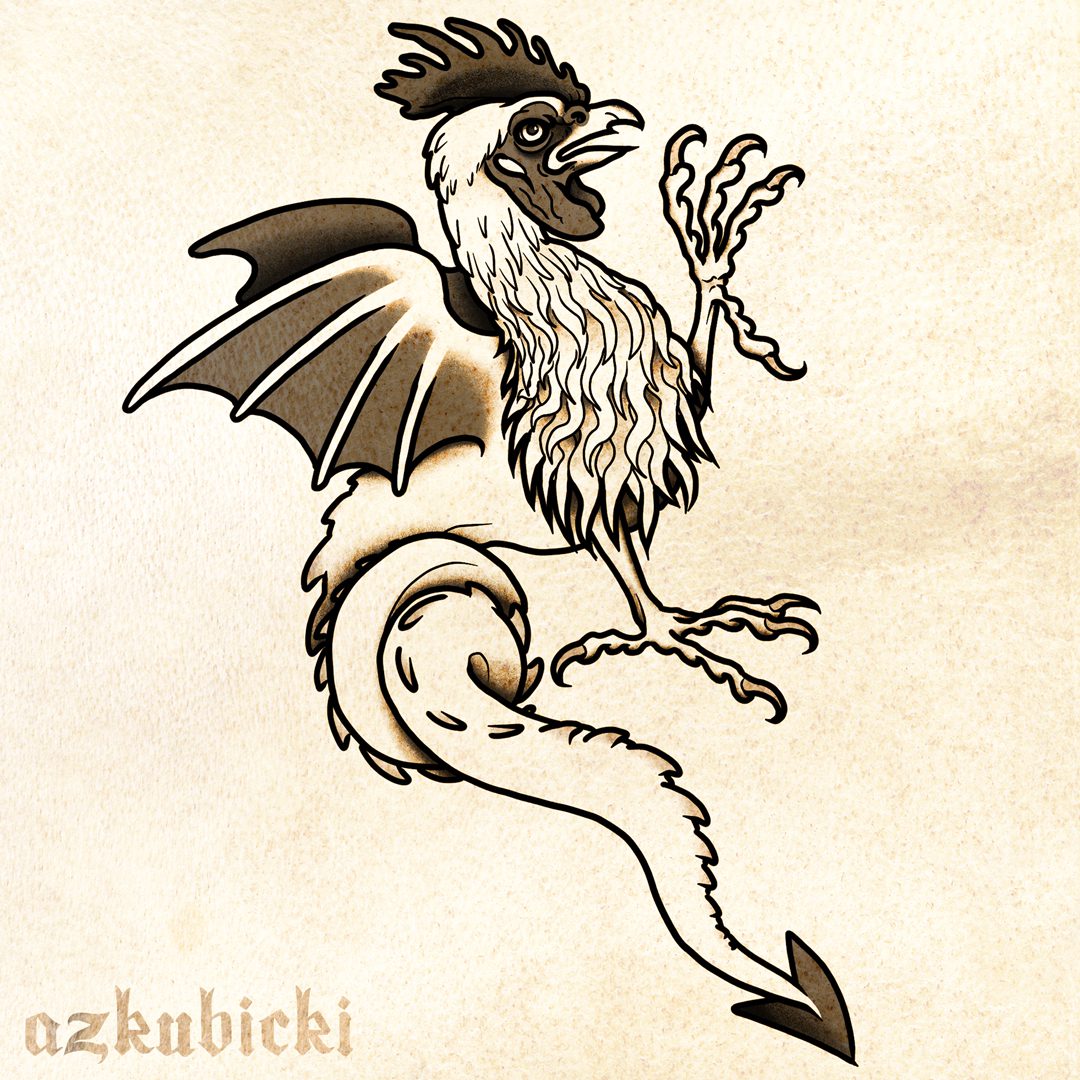
This fearsome beast was thought to be the product of an yolkless egg, laid by a rooster and incubated by a toad.

Coukil

While now extinct in the wild, the Corn-Cockle once grew as a tenacious weed throughout Medieval Ireland. Toxic in higher doses, the seeds of this plant found their way into edible crops and would result in lethal contamination of cereal and flour products.

Griffin

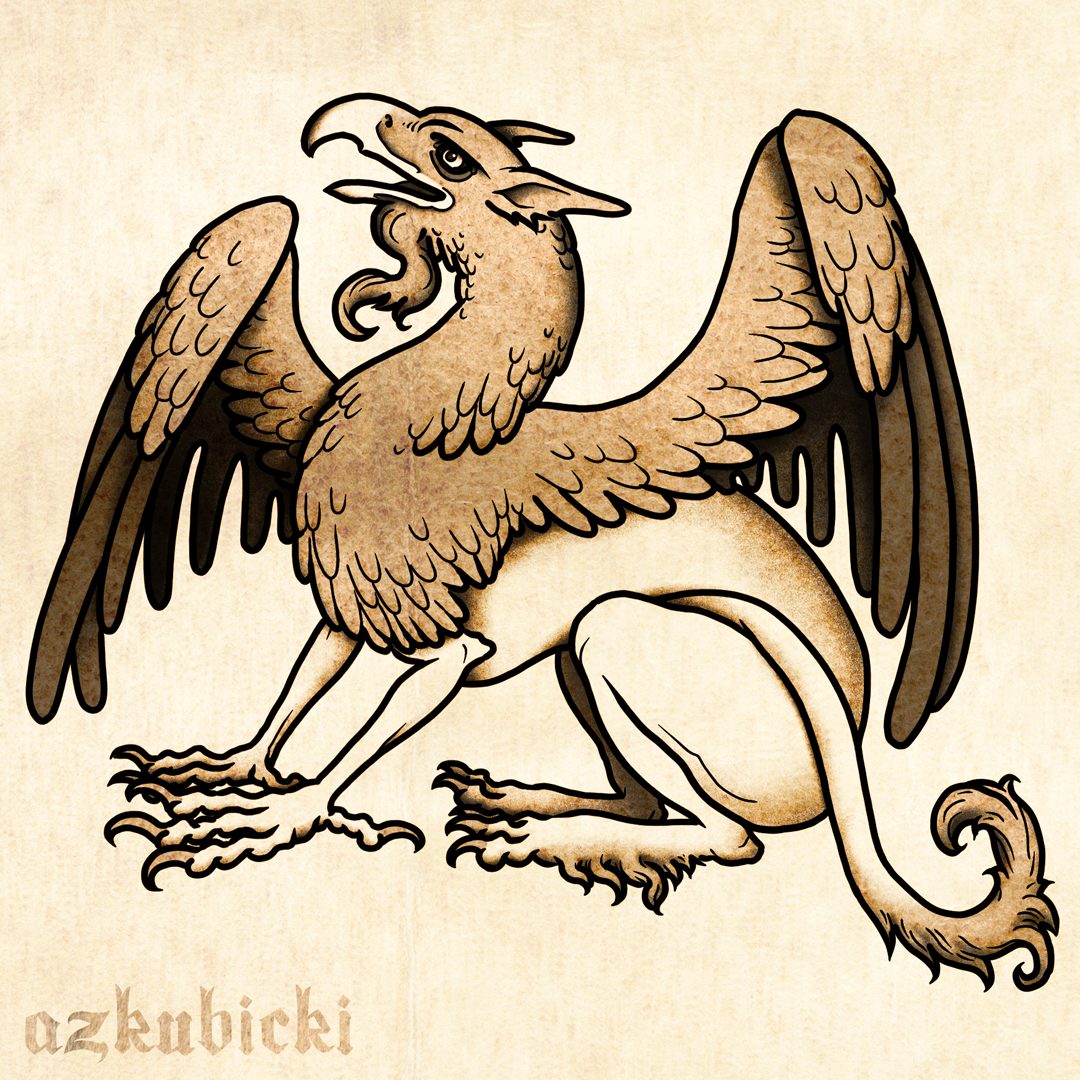
The griffon resides in mountain ranges across Europe, who delicately laid large agate stones alongside their eggs in the nest to keep them warm. They are savage wild beasts said to have guarded their mountain passes from those trying to traverse.

Foxglove

Are bad humors getting you down? Boil foxglove in wine or honey and ingest in order to eliminate any "obstructing matters" from the body, like congestion or menstruation.

Honicorn

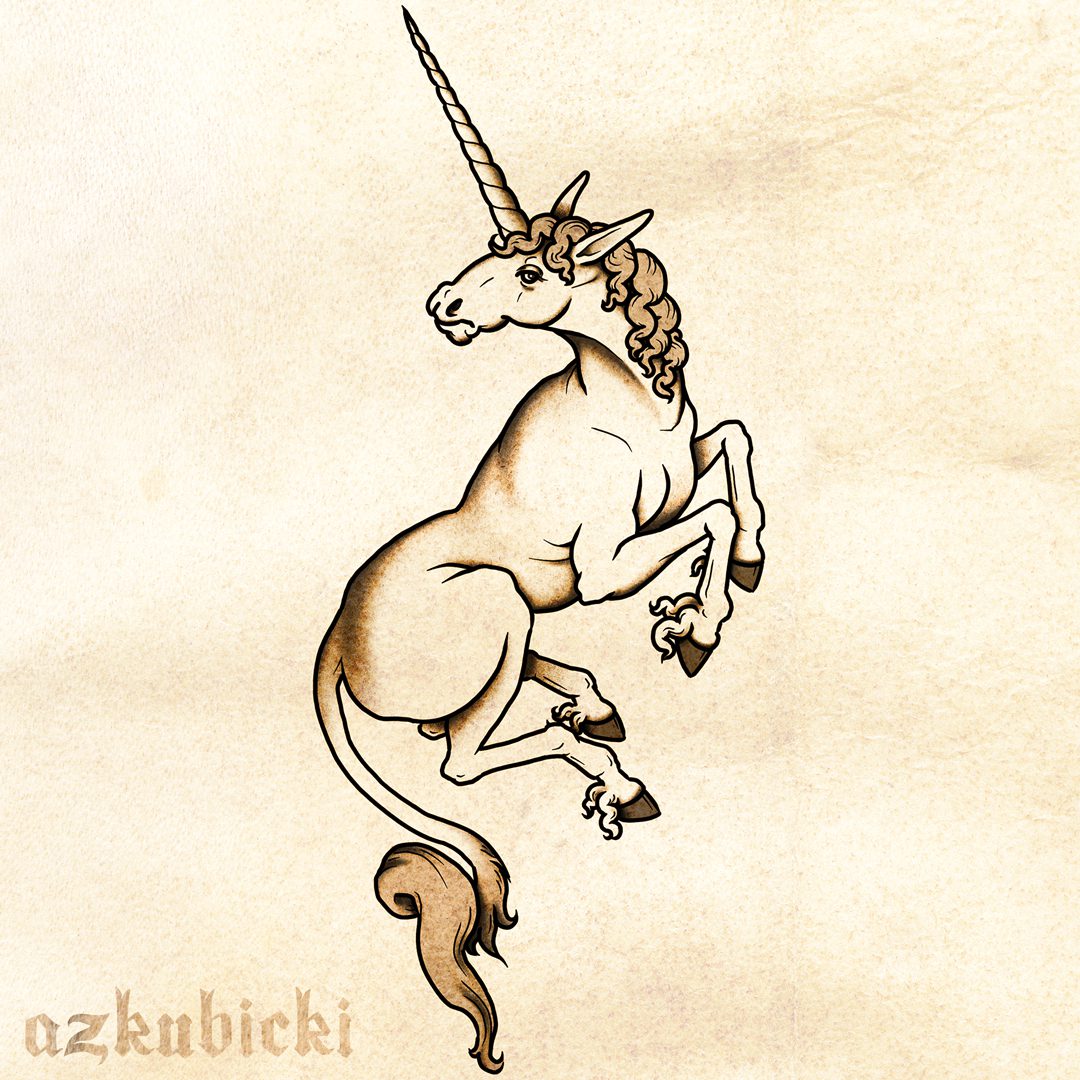
Creatures that were said to grow long, spiral horns. The powdered product of unicorn horns were regarded as a powerful aphrodisiac, and also said to nullify any poison. This was a hot product extensively traded throughout Medieval Europe... though they bore a striking resemblance to narwhal tusks.

Scroll to Top